27 January
Public
The evolution of gambling A historical perspective on risk and reward
- 111cafemotavarachha@gmail.com
- 0 Comments
The evolution of gambling A historical perspective on risk and reward
Ancient Beginnings of Gambling
The history of gambling stretches back thousands of years, with evidence found in ancient civilizations such as China, Egypt, and Rome. In these early societies, games of chance were often intertwined with religious practices and social rituals. For instance, the Chinese were known to play games with dice around 2300 BC, reflecting their belief in luck and fate. In contemporary times, those looking for engaging experiences can explore real money casinos, which bring a modern twist to ancient traditions.
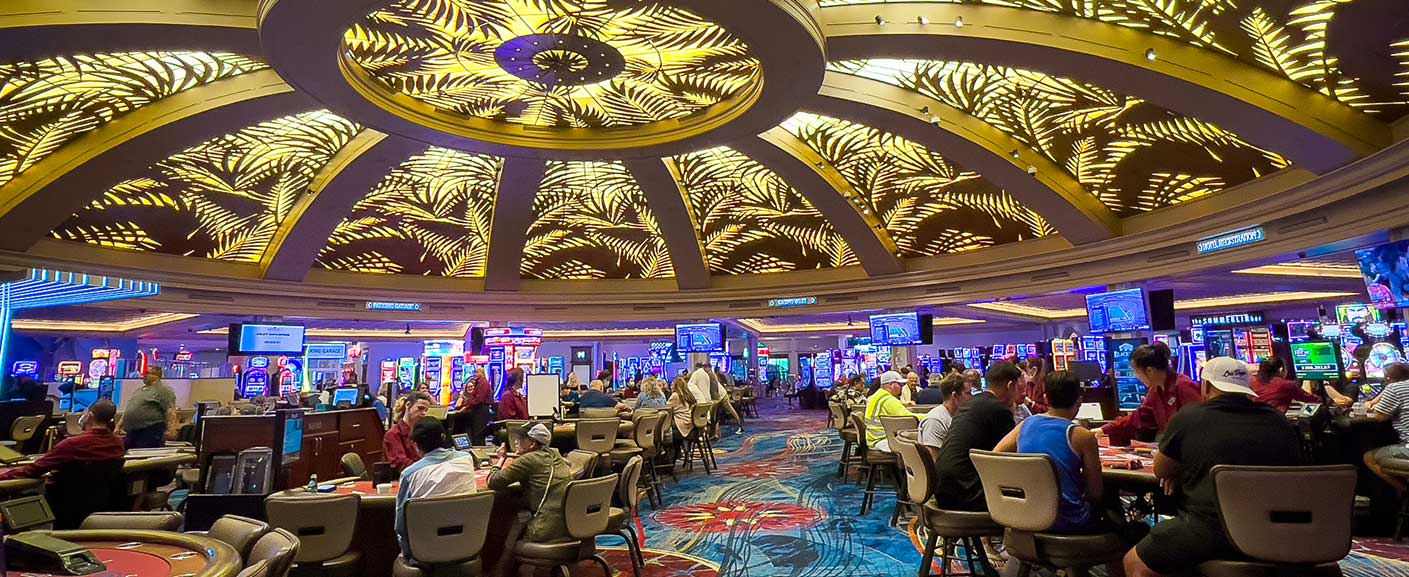
Similarly, in ancient Rome, gambling was popular among the masses. Romans engaged in betting on gladiatorial contests and other public events, enjoying both the thrill of competition and the potential for financial gain. These early forms of gambling set the stage for a culture that would continue to evolve over centuries, emphasizing the balance between risk and reward.
The Middle Ages and Legalization
During the Middle Ages, gambling faced various legal challenges across Europe. Many governments attempted to regulate or prohibit gambling due to its perceived moral implications. However, despite the restrictions, gambling remained prevalent. Games like cards and dice were common pastimes in taverns and homes, showcasing humanity’s enduring fascination with risk.
As societies modernized, attitudes toward gambling began to shift. The establishment of state-sponsored lotteries in the 16th and 17th centuries marked a turning point. These lotteries not only provided a source of revenue for governments but also legitimized gambling as a social activity, paving the way for its acceptance in later centuries.
The Birth of Casinos
The 18th century witnessed the emergence of formal gambling establishments, known as casinos. Originating in Italy, these venues quickly spread across Europe, offering a range of games and a controlled environment for wagering. The concept of a casino combined entertainment with risk, allowing patrons to engage in games such as roulette and baccarat while enjoying music and socializing.
This era also saw the development of more structured gambling games, leading to standardized rules that would eventually be adopted worldwide. The allure of casinos transformed gambling into a refined pastime, appealing to the upper classes and laying the groundwork for the modern gaming industry.
The Digital Revolution and Online Gambling
The late 20th century ushered in a digital revolution that transformed many industries, including gambling. With the advent of the internet, online casinos emerged, allowing players to engage in gaming from the comfort of their homes. This shift made gambling more accessible, reaching a broader audience while introducing new risks and opportunities.
Online gambling platforms now offer a vast array of games, from traditional favorites to innovative new formats. The digital landscape has changed the dynamics of risk and reward, as players can easily track their spending, engage in bonuses, and access a community of fellow gamblers. However, it has also raised concerns about responsible gambling and the potential for addiction.

Modern Perspectives on Gambling
Today, gambling is a multi-billion-dollar industry that encompasses a wide range of activities, from traditional casinos to online sports betting. Public perceptions have evolved, with many viewing gambling as a legitimate form of entertainment. Legal frameworks have also adapted, with numerous jurisdictions regulating gambling to ensure fairness and protect consumers.
As technology continues to advance, the evolution of gambling remains ongoing. Virtual reality, mobile applications, and cryptocurrency are shaping the future of the industry. As we navigate this landscape, understanding the historical context of gambling enriches our appreciation of its complexities and the interplay of risk and reward.